

 Ateker TV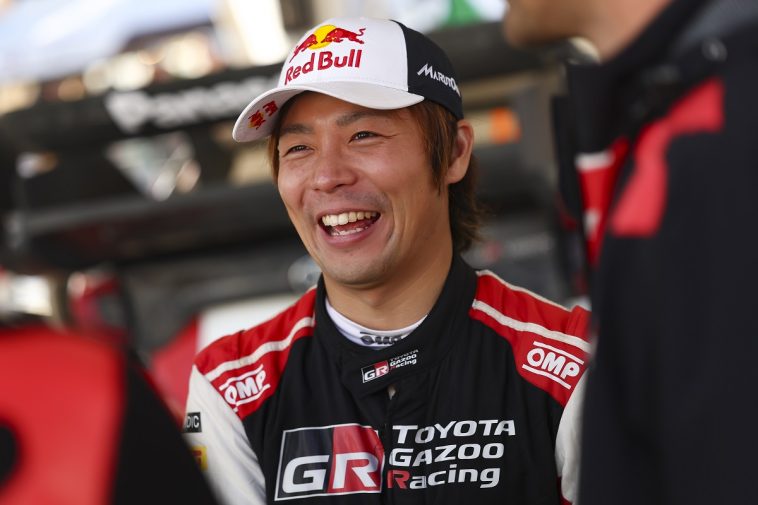
In a thrilling conclusion to the 2026 World Rally Championship (WRC) event on Sunday, March 15, Japan’s Takamoto Katsuta etched his name into the history books by securing his very first career victory at the grueling Safari Rally in Naivasha.
While the celebration in Kenya is well-deserved, Katsuta won’t be taking home a direct paycheck for his efforts. In a departure from many other global sporting events, the WRC does not award cash prizes to race winners. Instead, drivers earn their income through structured agreements with their respective teams.
How WRC Drivers Actually Get Paid
Unlike sports that hand out massive winner’s checks immediately after the podium, the WRC operates on a different financial model. Drivers are compensated via salaries, performance-based bonuses, and lucrative sponsorship deals negotiated by their manufacturers.
For Katsuta, the financial rewards from his Safari Rally heroics will ultimately depend on the specific terms of his contract with Toyota Gazoo Racing.
The victory not only boosts his personal stock but also significantly strengthens Toyota’s standing in the constructors’ championship.
This system mirrors that of Formula 1; even the season-ending World Champion does not receive a direct cash payout from the FIA. The real value lies in the enhanced marketability, prestige, and team bonuses that follow success.
Toyota Extends Dominance
Following the chaotic weekend in Naivasha, Toyota has stretched its lead in the championship standings, now sitting pretty with 157 points, while Hyundai trails with 114.
The result further cements Toyota’s mastery of the rough Kenyan terrain, which lived up to its reputation for destroying machinery.
A Symbolic Gift from the President
While he may not have received cash, Katsuta didn’t leave empty-handed. Kenyan President William Ruto presented the rally star with a handcrafted wooden carving to commemorate his triumph.
The gift follows a tradition set in previous years; in 2024, Kalle Rovanpera received a similar carving valued at approximately Ksh 25,000. It stands as a cultural token of appreciation rather than a financial windfall.
Katsuta’s maiden victory was hard-fought, set against a backdrop of relentless rain and mechanical failures that eliminated several top contenders in the unforgiving Naivasha landscape.




GIPHY App Key not set. Please check settings