

 Ateker TV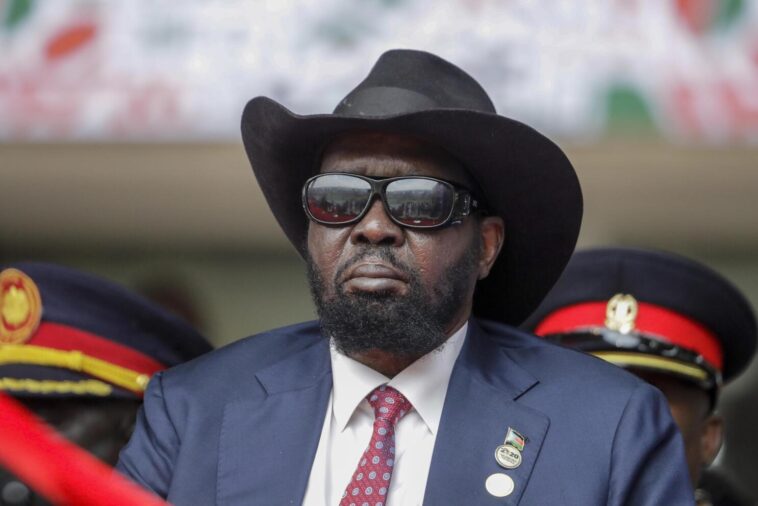
Ahead of the South Sudan election, President Salva Kiir has scrapped the country’s transitional government, just three months before the first national election since independence in 2011.
Under an amended law signed on Monday, Kiir removed all five vice-presidents and dissolved parliament along with national and state administrations.
He will keep full constitutional powers until a newly elected president takes office, and has reappointed some ministers and governors in caretaker roles until the 22 December vote.
Heavy security in Juba
Ahead of the announcement, security forces were reported in strong numbers across the capital. Soldiers blocked entrances to government ministries and patrolled parts of the city.
A senior official said staff were turned away and told to return the following Monday. UN agencies in Juba asked employees to work from home while they monitored developments.
Opposition boycott
Kiir is the presidential candidate of the SPLM, and no prominent challenger has come forward. His main rival, Riek Machar, was dismissed as vice-president last year, charged with treason and remains under house arrest.
Machar’s party, the SPLM-IO, says it will not take part in the election. In a letter to the African Union and other bodies, it warned of a “constitutional and legitimacy crisis.”
“We will not participate in, validate, or lend legitimacy to an electoral process held without key constitutional, security and legal reforms,” the party said in the letter.
Acting chairman Nathaniel Oyet said parts of the country are outside government control, raising doubts about how residents there could vote.
Election funding and commission shake-up
Last week, Kiir dismissed elections commission chairman Abednego Akok Kacuol without explanation and replaced him with Gabriel Bol Deng.
Akok had said in August that the commission needed $250 million but had received only $21 million.
Peace deal under strain
The body monitoring the 2018 peace agreement, RJMEC, said the country had entered a “critical phase,” noting that key provisions remain unfinished.
It urged all sides to agree on a route to credible elections. The current transitional period was due to expire on 22 February 2027, after the election has already been delayed twice.