

 Ateker TV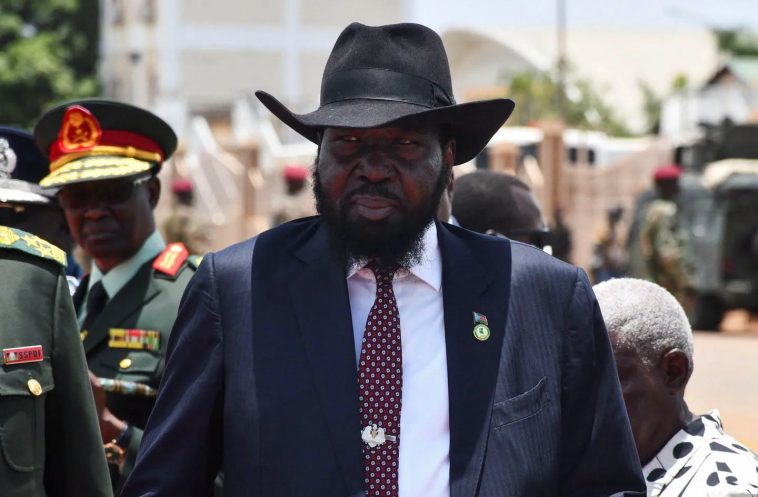
In a decisive move that underscores ongoing political volatility, South Sudan’s President Salva Kiir has officially removed the country’s central bank governor. This dismissal marks the latest in a rapid series of high-level government reshuffles and sackings within the nation’s upper echelons of leadership.
The presidential decree, which was broadcast late Wednesday on state television, confirmed the termination of Johnny Ohisa from his post as head of the central bank.
In his place, President Kiir has appointed Addis Ababa Othow, a familiar face who previously served as governor for a brief stint between June and November of the previous year. Notably, the official statement did not provide a specific rationale for Ohisa’s abrupt removal.
Economic Pressures Mount
The leadership change arrives at a critical juncture for South Sudan’s fragile economy. The East African nation is currently battling severe fiscal headwinds, including a sharp decline in oil revenues the lifeblood of its economy alongside persistent cash shortages, skyrocketing inflation, and a rapidly depreciating local currency against major global benchmarks.
These compounding factors have placed immense strain on the country’s financial systems and the daily lives of its citizens.
A Pattern of Consolidation
Over recent months, President Kiir has orchestrated a wide array of sweeping changes across senior governmental and military positions.
Political analysts suggest that these frequent dismissals and appointments are indicative of a broader strategy to consolidate executive control and secure loyalty within the ruling hierarchy.
This comes amid growing speculation regarding political succession and internal power dynamics, as the country prepares for future electoral processes.
The Ousted Governor’s Background
Johnny Ohisa is a seasoned economist who has navigated multiple tenures as central bank governor. Prior to his latest reappointment earlier this year, Ohisa had already held the prestigious position on two separate occasions.
His extensive experience in monetary policy and financial regulation made his sudden dismissal particularly striking to observers and economic stakeholders.
As Addis Ababa Othow steps back into the role, all eyes will be on how the new governor addresses the pressing monetary challenges, stabilizes the foreign exchange market, and restores confidence in South Sudan’s banking sector.




GIPHY App Key not set. Please check settings